Have you been in search of selective information on Pros and Cons of Tankless Water Heater?
In a world where benefit and effectiveness reign supreme, it's not a surprise that house owners are regularly in search of smarter methods to handle their home's energy consumption and comfort. One technology that has progressively acquired appeal is the tankless hot water heater. However exactly what makes these systems attract attention from the conventional tank-based versions a lot of us grew up with? Allow's dive in and check out the advantages of tankless water heaters, assisting you choose if it's time to make the button in your home.
Introduction
Photo this: you enter the shower after a lengthy day, anticipating a calming waterfall of warm water, just to be welcomed by icy beads since the last person used all of it up. Sound acquainted? Standard water heaters store a set amount of hot water, suggesting you're at the mercy of that storage tank's supply. Tankless systems, on the other hand, warmth water on demand. No more going out mid-shower, say goodbye to wrestling with timetables just to make certain warm water is offered.
Understanding Tankless Hot Water Heater
What Are Tankless Hot Water Heater?
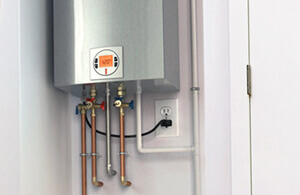
Tankless hot water heater, sometimes referred to as on-demand or instantaneous hot water heater, offer warm water just as it's required. Rather than saving gallons of pre-heated water, these units kick right into activity the minute you switch on the faucet. Water passes through a warmth exchanger, heating up in real-time, indicating you obtain a nonstop circulation of hot water without the demand for a large storage tank resting lazily by.
Just how Do They Differ from Conventional Systems?
Traditional heating systems hold a reservoir of hot water, utilizing power to maintain that storage tank at a consistent temperature. Tankless units get rid of the standing supply, cutting down on thrown away energy and the large impact of a huge cylinder. Essentially, you're updating from a "stockpile" frame of mind to a "made-to-order" strategy.
Common Types of Tankless Devices
Tankless hot water heater usually come in 2 selections: gas and electrical. Gas designs often tend to supply higher flow prices, suitable for larger families, while electric models typically offer smaller sized homes and are usually easier to mount. Additionally, some systems are created for point-of-use (serving one fixture) while others can manage the whole home's warm water needs.
Trick Benefits of Tankless Water Heaters
Power Performance and Price Savings
Say goodbye to heating up a giant container's well worth of water and keeping it warm all day. Tankless heating units minimize standby power losses, which can lower utility expenses. While the first cost could be higher, the long-lasting savings frequently warrant the financial investment.
3. Space-Saving Design
If your home is short on storage space, eliminating the cumbersome tank frees up valuable area. Tankless systems are small and can often be placed on wall surfaces, hidden in edges, or mounted in limited energy wardrobes without having all to oneself the whole room.
4. Longer Life-span
A well-kept tankless water heater can outlast its tank-based relative. Typical storage tanks may last 10-15 years, while tankless designs can maintain downing along for twenty years or even more, making them a solid investment gradually.
1. Countless Warm Water Supply
Ever before needed to arrange showers so everybody obtains their reasonable share of warm water? With tankless, that ends up being a distant memory. As long as the heating unit's flow capacity isn't surpassed, you can take back-to-back showers without becoming a popsicle.
5. Improved Water Quality
Saving water in a container can occasionally result in sediment build-up or a slightly "off" preference. With tankless systems, fresh water is heated instantly, lowering the chances of sediment accumulation and possibly providing cleaner-tasting water.
Factors to consider Before Changing
Though the benefits are compelling, it's wise to consider a few factors prior to completely devoting.
Evaluating Your Home's Water Use Patterns
If your house all at once uses multiple components with high warm water demand, see to it the device's flow rate meets your needs. Understanding your usage patterns aids you choose the ideal size and type of tankless heater.
Maintenance and Treatment Tips
Tankless systems are reasonably reduced upkeep, however they aren't set-it-and-forget-it appliances.
Normal Cleaning and Descaling
Tough water minerals can develop in the warm exchanger, impacting effectiveness. Routine descaling (often suggested annually) maintains the device performing at peak performance.
Annual Specialist Inspections
A yearly checkup from an expert makes certain minor issues are captured early. They'll examine the unit's efficiency, try to find leaks, and assist preserve optimum effectiveness.
First Financial Investment Prices
Tankless heating units typically come with a greater upfront cost. In between the device itself and potential installment alterations, the preliminary price may offer you sticker shock. Yet bear in mind to see it as a long-lasting financial investment.
Installment Needs
Relying on your home's facilities, you may need extra electric capacity or gas line upgrades. Ensure you recognize the installation requirements and seek advice from a specialist to stay clear of shocks.
Making Sure Correct Ventilation
For gas designs, proper ventilation is important to safely get rid of exhaust gases. Make certain venting systems are clean and properly set up to stop any potential security risks.
Comparing Different Brands and Designs
Not all tankless water heaters are developed equivalent.
Researching Reputable Manufacturers
Look for credible brands with a background of generating top quality devices. A dependable manufacturer usually offers better client assistance and longer service warranties.
Installation: Do It Yourself or Expert?
While some homeowners enjoy dealing with jobs themselves, tankless installation might not be the best time to break out the tool kit.
Pros and Cons of DIY Installment
A DIY set up could save cash, however it comes with threats. Inaccurate installation can cause inefficiency or security worries. If you come in handy and have experience, it could be practical-- however proceed with caution.
Checking Out Evaluations and Individual Responses
Customer evaluations and comments from neighbors or close friends that have gone tankless can provide important insights. Sometimes, real-life experiences can be more telling than marketing brochures.
When to Call a Specialist Plumbing
For most, calling a professional makes sure everything's done correctly. A specialist plumbing recognizes regional codes, sizing needs, and airing vent specifications, reducing the threat of accidents.
Optimizing Efficiency
You've invested in a tankless unit-- now optimize its performance.
Ideal Temperature Settings
Most individuals establish their devices in between 120-140 F. Changing the temperature level can enhance convenience and financial savings. Experiment to discover a pleasant spot that does not lose power.
Coupling With Low-Flow Fixtures
Want to stretch your system's abilities? Take into consideration mounting low-flow showerheads and taps. They minimize water use, enabling your tankless system to provide a constant stream of warm water without stressing.
Environmental Influence
Tankless hot water heater straighten with greener living goals.
Reduced Carbon Impact
By using less power and just heating water as needed, tankless systems can lower your home's carbon footprint, lowering your environmental effect.
Saving Natural Resources
Much less energy intake and less thrown away warm water translate into fewer natural resources being used, an ecological win-win.
That Benefits Most from Tankless Heaters?
The elegance of tankless heating units is that they can match a range of homes.
Huge Families vs. Solitary Occupants
Huge families might like the endless hot water supply, while solitary passengers appreciate the energy financial savings from not heating an entire tank for just someone's early morning shower.
Property Owners with Restricted Space
If your home is short on square video footage, shedding the cumbersome tank liberates area for various other fundamentals-- or possibly simply a lot more elbow room.
Eco-Conscious Consumers
Going tankless aligns with eco-friendly values, ensuring you're not squandering energy or sources.
Future Fads in Tankless Hot Water Heater
The globe of home appliances is ever-evolving, and tankless water heaters are no exemption.
Developments in Technology
R&D is frequently boosting warmth exchangers, making units more efficient and long lasting. Future models might be even quieter, a lot more portable, and much better matched for varying climates.
Smart Home Combination
Visualize changing your water heater's temperature level via an app or obtaining maintenance notifies on your phone. As smart home tech breakthroughs, we'll see even more connection and ease.
Conclusion
Selecting a tankless water heater is more than simply updating your home's hot water system; it's investing in long-term convenience, energy effectiveness, and a greener lifestyle. By considering your home's water usage, being mindful of installation demands, and dedicating to normal upkeep, you can appreciate a constant stream of warm water without the baggage of a cumbersome tank. As modern technology evolves, you can expect even smarter, more efficient tankless options that not just make your life less complicated but additionally benefit the world.
5 Benefits of Tankless Water Heaters
Save Valuable Space
Since tankless water heaters do not have a massive 40+ gallon tank of water, they are considerably smaller and can fit in more narrow spaces in your home.
If you are working with limited square footage, a tankless water heater will still provide you with the hot water you need while taking up significantly less space in your home. While the exact size of a tankless water heater varies depending on the brand, some are as small as a carry-on suitcase.
Endless Supply of Hot Water
While a traditional water heater preheats and stores your water in the tank, tankless water heaters do not rely on a reservoir system.
This means that they do not run out of hot water like traditional water heaters since they make hot water as needed. Traditional water heaters need to stop and reheat water when the tank inevitably runs out, but tankless water heaters do not have this issue.
Provide Warm Water On-Demand
As mentioned above, tankless water heaters do not preheat a certain amount of water and then store it in a massive tank to be used later. An advantage of installing a tankless water heater includes water being heated instantly whenever you turn on the faucet.
When you turn on the water, it will travel through a heat exchanger in the unit and be heated with either an electric element or a natural gas burner. Gone are the days of having to ration out your hot water to make sure that you do not run out.
Longer Life Cycle
Not only do tankless water heaters provide an endless supply of hot water for your home whenever you want it, but these units tend to have a longer lifespan than water heaters with tanks.
Tanked water heaters have an average lifespan of around 10 years, as the tank is prone to corrosion, leading to serious issues. In comparison, tankless water heaters can last for around 15 to 20 years with the proper maintenance and tune-ups.
Energy Efficient
Compared to traditional water heaters, tankless water heaters are a more energy-efficient water heating option for your home. Tank water heaters must heat and reheat the water stored in the tank throughout the day, even if you are not home.
This energy use adds up over time, leading to an increase in your energy bills and added strain on your unit. A benefit of buying a tankless water heater includes saving money since it only operates when you turn on the hot water. Since it only heats up as needed, this can decrease your energy bills and save you money in the long run.
https://callrandazzo.com/blog/5-benefits-of-tankless-water-heaters/

Do you enjoy reading about ? Give a remark down below. We will be delighted to know your opinions about this blog. In hopes that you come back again in the future. Sharing is nice. Who knows, you might be doing someone a favor. Thank-you for your time spent reading it.
Call Today